Home Security Guide: Physical Protection Without Overspending
How to harden your home against break-ins and weather events — practical security improvements for any home or apartment, ranked by effectiveness and cost.
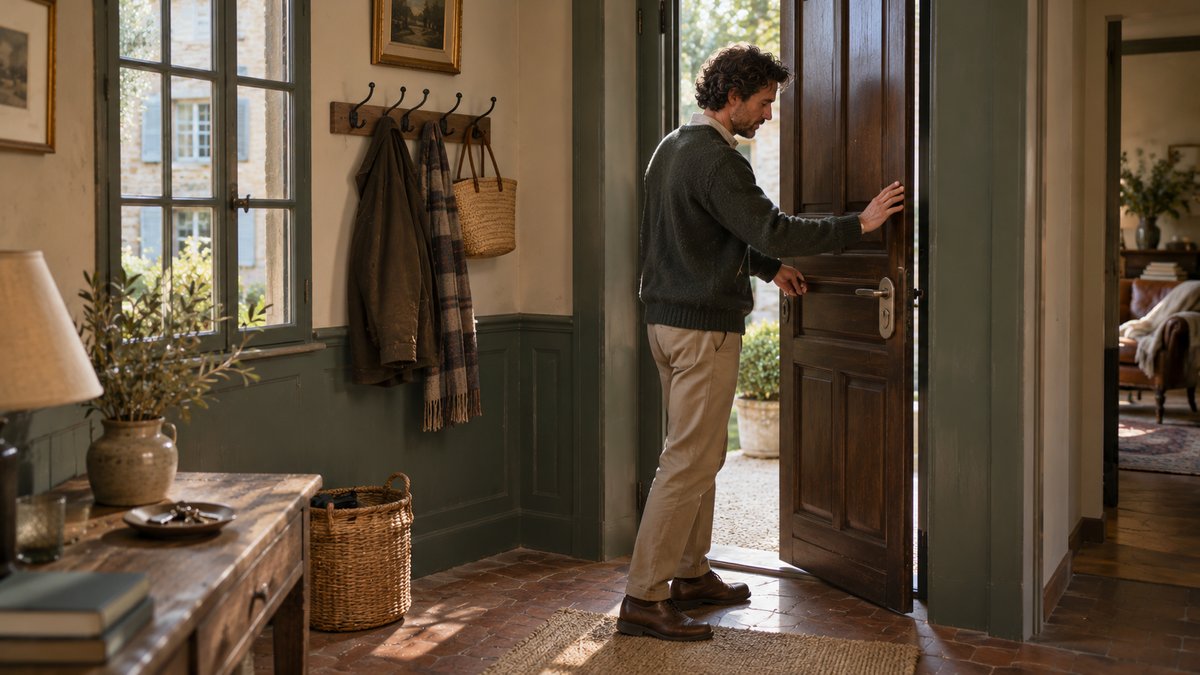
Home security is usually a priority in one of two situations: after something happens, or before you know something could. Ideally, you think about it before either.
This guide covers the highest-ROI improvements first, so you can prioritize effectively regardless of your budget or whether you own or rent.
Understanding What You’re Actually Protecting Against
Different threats require different defenses:
Opportunistic burglary — the most common type (~70% of break-ins). The perpetrator isn’t sophisticated; they’re looking for an easy target with low risk of being caught. They’ll move on if the entry point requires more than 60 seconds of visible effort. These burglaries are highly deterrable.
Professional burglary — surveillance-based, targeted at known high-value homes. Represents a small percentage of residential break-ins but is much harder to prevent. If you’re in this risk category, you need professional security consultation.
Natural disasters — hurricane wind and flying debris, flooding, wildfire ember intrusion, earthquake structural damage. Each has specific preparation approaches.
Fire — The most statistically likely life-threatening home emergency. Far more people die in house fires than in burglaries.
Priority 1: Door Security (Highest ROI)
The entry point in most burglaries is a door, and the specific failure mode is consistent: the deadbolt holds but the door frame fails. When someone kicks a door hard, the 3/4-inch screws holding the strike plate pull through the door jamb easily.
Strike Plate Upgrade — $20–40, 30 minutes
Replace your existing strike plates with heavy-duty reinforced strike plates (Don-Jo, Prime-Line, or similar) secured with 3-inch screws that reach the structural framing behind the door jamb.
Materials: Reinforced strike plate ($15–25), 3-inch #10 wood screws (most hardware stores), screwdriver or drill.
This single change dramatically increases the force required to kick in a door — from an easy single kick to something requiring sustained effort and significant noise.
Door Reinforcement Kits
For doors in higher-risk situations, door reinforcement kits add armor to the door jamb, hinge side, and lock area:
- Door Armor (by Armor Concepts): ~$150, reinforces entire door frame
- Door Jamb Armor: ~$80–100, reinforces the frame around the lock
- Hinge bolts: prevent hinge-side attacks on outward-opening doors
Smart Locks and Deadbolts
Deadbolt selection: Grade 1 ANSI deadbolts are the strongest residential standard (Schlage B60N, Medeco Maxum). Grade 1 locks resist kick-in, picking, and drilling better than Grade 2 or Grade 3. The brand matters less than the ANSI grade.
Smart locks: Schlage Encode, Kwikset Halo, and similar allow keypad codes and remote access. Useful for eliminating hidden keys (a major security vulnerability) and granting temporary access. Wi-Fi or Bluetooth-based locks have been hacked in lab conditions; use a trusted brand with regular firmware updates.
Door viewers (peepholes): A wide-angle viewer (200° field) lets you see who’s outside without opening the door. A digital door viewer with a camera screen is better in low light.
Sliding Door Security
Sliding glass doors are common weak points:
- Bar in the track: a cut-to-length wooden dowel or commercial bar prevents the door from being slid open
- Sliding door pin: a bolt that prevents the door from being lifted out of its track (the door can be lifted off its track without a pin)
- Auxiliary lock: adds a secondary lock independent of the door’s built-in mechanism
Priority 2: Exterior Lighting
Criminals prefer darkness. Motion-activated bright lighting covering entry points (front door, back door, garage, side gates) is one of the highest-ROI deterrence measures.
Specifications that matter:
- Brightness: 600+ lumens per fixture (1,000+ for large areas)
- Motion sensor range: 20–30 feet
- Coverage angle: 180° or wider
- Security lighting position: should illuminate faces, not just the ground
Recommended options:
- Ring Floodlight Cam: Motion-activated 2,500-lumen floodlight + camera + 2-way audio. ~$199. Best integration with a full Ring system.
- Sengled Smart Security LED: Bulbs that connect to a smart hub, can be triggered by motion sensors. Flexible for existing fixtures.
- Traditional motion-activated floodlights (Heath/Zenith, Cooper Lighting): Reliable, inexpensive ($20–50), no connectivity needed.
Don’t neglect back and side yard lighting — it’s often darker and less visible to neighbors.
Priority 3: Windows
Windows are the second most common entry point in burglaries.
Window locks: Most double-hung windows have a simple latch that can be opened with a credit card or by breaking the window adjacent to the latch. Add secondary locks (keyed pin locks, track stops, window security bars) for windows accessible from the ground.
Glass protection:
- Security film (3M Safety Series, BDF): Adhesive film applied to glass that holds shards together when broken. Makes a smashed window much louder and more difficult to reach through. Also improves resistance to wind-driven debris in storms. DIY application, ~$1–3/sq ft.
- Window sensors (part of an alarm system): Alert you to any opened window
Window air conditioners: Installed window AC units create a gap. Secure with L-brackets attached to the window frame, and add a security bar across the top of the opening.
Priority 4: Alarm Systems
A monitored alarm system serves two functions: immediate deterrence (the siren) and notification (call to you and/or police).
Professional monitoring ($15–50/month): ADT, SimpliSafe, Ring Alarm, Vivint. 24/7 monitoring, dispatching when triggered.
Self-monitored (app notification only, free or low cost): Notifications go to your phone. You call 911. Adequate if you’re usually reachable; not adequate if you travel frequently.
Recommended systems by budget:
Entry-level DIY: SimpliSafe Base ($200–300 for starter kit + sensors). No contract, $18/month monitoring, cellular connection (not dependent on home WiFi), loud 105dB siren.
Full DIY ecosystem: Ring Alarm Pro ($250) + Ring cameras + professional monitoring $20/month. Good integration with existing Ring equipment.
Professional installation: ADT or Vivint if you want white-glove installation and don’t want to DIY. Significantly more expensive but includes professional setup and warranty service.
What sensors you actually need:
- Entry sensors on every ground-floor door and window
- Motion detector covering main interior space
- Glass break detector if you have large windows
- Smoke/CO detectors integrated with the alarm
Priority 5: Natural Disaster Hardening
This varies significantly by region. Focus on your most likely risks:
Wildfire:
- Class A fire-rated roofing material (metal, concrete tile, composition shingles) — most critical
- Ember-resistant vents (ember-resistant attic vents and foundation vents, available from AirVent, Vulcan)
- 5-foot non-combustible zone around the foundation (rock, concrete — no mulch, no dead plants)
- Keep gutters clear of debris
Hurricane/High Wind:
- Impact-resistant windows and doors (most effective, most expensive)
- Hurricane shutters: accordion shutters (easiest to deploy), panel shutters (inexpensive), roll-down shutters (most convenient)
- Roof straps/hurricane ties connecting the roof structure to the walls — critical in mobile homes and older construction
- Garage door bracing kit — wide garage doors are extremely vulnerable to high winds
Flood:
- Door flood barriers: inflatable or rigid barriers that seal door openings (a few hundred dollars per opening)
- Flood vents in foundation walls allow water to flow through rather than creating hydrostatic pressure against walls
- Sump pump with backup power
Earthquake:
- Bolt the mudsill to the foundation (critical for wood-frame homes, done by a contractor)
- Strap the water heater to the wall
- Secure tall furniture and bookshelves to walls
- Secure heavy items on high shelves
Renter-Friendly Security (No Permanent Changes)
If you can’t drill into walls or permanently modify locks:
- Door security bar (like the Master Lock Door Bar): braces against the floor, prevents door from opening. No installation, works on any door.
- Door/window alarm sensors: stick-on sensors that sound an alarm when opened. SimpliSafe sensors don’t require a contract.
- Motion-activated night lights
- Portable security camera (Blink, Wyze, Ring Indoor Cam)
- Sliding door bar in the track (no installation required)
Related guides:
Rejoindre la communauté
Recevoir nos guides chaque semaine
Des conseils pratiques, des retours terrain, les meilleures ressources — directement dans votre boîte mail.
Rejoindre le Refuge →