Emergency Medication Stockpile: What to Keep at Home and How
Complete guide to building a home medicine cabinet for emergencies — which medications to stock, how to store them, and when to call a doctor.
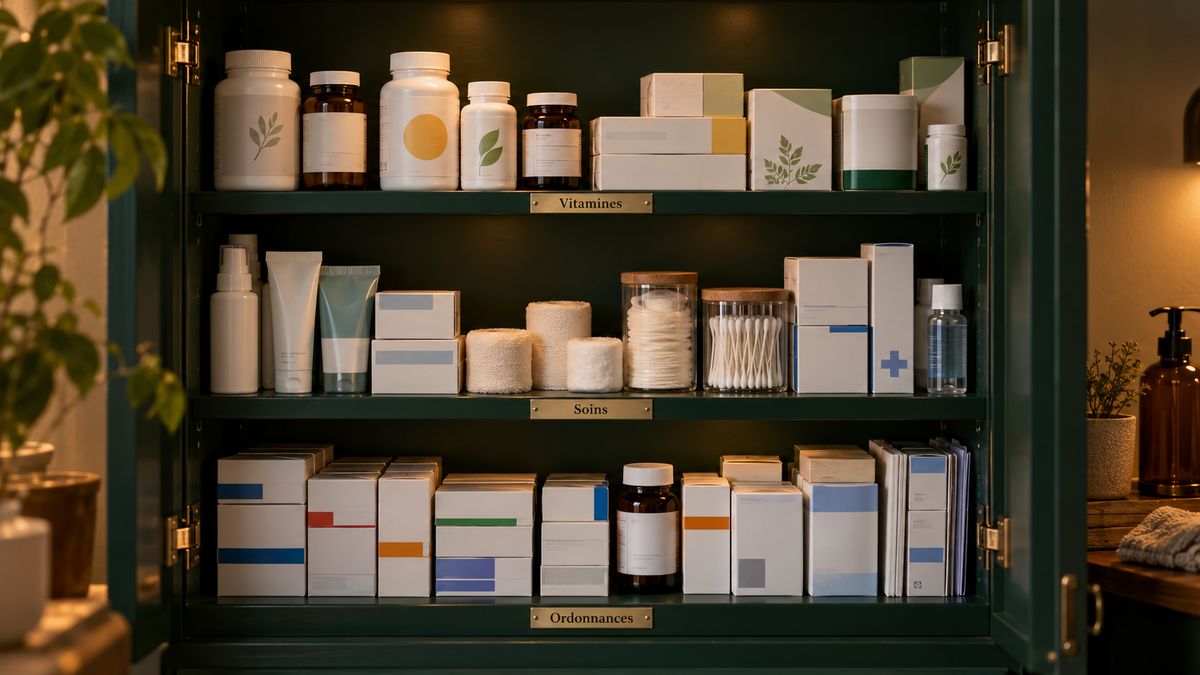
A supply chain disruption, a natural disaster, a severe illness, or simply a week when you can’t get to the pharmacy — having the right medications at home transforms potential crises into manageable situations.
This guide covers what to stock for general family use, how to manage your prescription medications, and storage practices that keep everything effective.
Part 1: Over-the-Counter Essentials
Every household should have these available without waiting for a pharmacy trip:
Pain and Fever Relief
Acetaminophen (Tylenol): Works for pain and fever without stomach irritation. Safe for children (use weight-based pediatric dosing), pregnancy, and people who can’t take NSAIDs. Liver damage risk at high doses — don’t exceed 4,000mg/day for adults, less with alcohol use.
Ibuprofen (Advil, Motrin): Anti-inflammatory, better for muscle pain, joint pain, and menstrual cramps than acetaminophen. Not for people with stomach ulcers, kidney disease, or who are pregnant. Children: use weight-based dosing.
Aspirin: For adults only (not children under 16 due to Reye’s syndrome risk). Has a specific role in suspected heart attacks — if you think someone is having a heart attack and they’re not allergic, 325mg aspirin while waiting for EMS can reduce damage.
Naproxen (Aleve): Longer-acting NSAID, one dose lasts 8–12 hours. Good for sustained pain relief.
Stock 100-tablet bottles of your preferred options. These are inexpensive and last 2–4 years.
Allergy and Upper Respiratory
Diphenhydramine (Benadryl): Fast-acting antihistamine for allergic reactions, hives, itching. Also causes drowsiness (don’t drive). Useful for anaphylaxis while waiting for EMS if you don’t have an EpiPen. Children’s liquid version available.
Loratadine (Claritin) or Cetirizine (Zyrtec): Non-drowsy antihistamines for seasonal allergies and mild reactions. 24-hour coverage.
Pseudoephedrine (Sudafed): Decongestant for nasal congestion. Requires signing a register at the pharmacy but no prescription needed. More effective than phenylephrine products on regular shelves.
Guaifenesin (Mucinex): Expectorant that loosens mucus. Helpful for chest congestion.
Saline nasal spray: Drug-free nasal hydration and congestion relief. Useful for children.
Digestive
Loperamide (Imodium): For diarrhea. Reduces bowel movements and fluid loss — important during illness or when access to facilities is limited. Do not use for diarrhea caused by antibiotics.
Bismuth subsalicylate (Pepto-Bismol): For nausea, heartburn, upset stomach, and diarrhea. Contains salicylate — avoid in children under 12 and those allergic to aspirin.
Antacids (Tums, Rolaids): Fast-acting relief for heartburn and indigestion.
Omeprazole (Prilosec OTC): For more severe or frequent heartburn. Requires 1–4 days to reach full effect. Available over-the-counter.
Oral Rehydration Salts (Pedialyte or store-brand): Critical for children and adults with significant diarrhea or vomiting — prevents dehydration. Homemade version: 1 liter water + 6 teaspoons sugar + ½ teaspoon salt.
First Aid
Hydrogen peroxide (3%): For wound cleaning. Keep a brown bottle — degrades quickly in light.
Povidone-iodine (Betadine): Antiseptic for wound cleaning and wound care. More effective than hydrogen peroxide for contaminated wounds.
Rubbing alcohol (isopropyl, 70%): For surface disinfection. 70% is more effective than 90%+ for killing pathogens.
Antibiotic ointment (Neosporin): Prevents infection in minor cuts, scrapes, and burns.
Hydrocortisone cream (1%): For itching from insect bites, minor rashes, poison ivy. Not for infected wounds.
Wound closure strips (Steri-Strips): For lacerations that need closing but don’t require stitches.
SAM Splint: Flexible aluminum/foam splint that can immobilize sprains and fractures temporarily. One per kit.
Specific Situations
Electrolyte tablets or powder (Liquid IV, Nuun): For hydration during illness, heat, or strenuous activity. Better than plain water for preventing dehydration.
Eye wash solution: For chemical splashes or eye irritation.
Burn gel (Water-Jel or similar): Immediate cooling and pain relief for minor burns. Far superior to butter or toothpaste (home remedies that can cause infection).
Part 2: Prescription Medication Management
If anyone in your household takes prescription medications regularly, emergency management of those medications is critical.
Building a Buffer
The rolling buffer method:
- When your 90-day supply has 30 days remaining, request the next refill
- Continue this pattern consistently
- Result: You always have 30+ days of medication on hand
Insurance often requires a “days supply” remaining before allowing early refill. If your plan requires you to be nearly out before refilling, talk to your pharmacist — there are often workarounds for medically necessary situations, or you can pay cash for one early refill to establish the buffer.
High-priority medications for buffers:
- Heart medications (beta blockers, ACE inhibitors, blood thinners)
- Seizure medications (anticonvulsants)
- Mental health medications (antidepressants, antipsychotics, mood stabilizers)
- Thyroid medications
- Blood pressure medications
- Diabetes medications (especially insulin)
- Inhalers for asthma/COPD
- Any medication where missing doses causes rapid deterioration
Critical: Insulin storage. Insulin requires refrigeration (36–46°F) for long-term storage. Unopened insulin can last at room temperature for 28 days (most types). Keep insulin in a refrigerator and have a plan for power outages — a small cooler with ice packs extends usability significantly.
Medication Records
Keep a written medication list for every family member that includes:
- Medication name (generic and brand)
- Dose and frequency
- Prescribing doctor’s name and contact
- Pharmacy phone number and prescription number
- Indication (what it treats)
- Known allergies
This list belongs in your emergency document folder and should be updated whenever anything changes. First responders and ER doctors need this information.
Traveling with Medications
Carry prescriptions in original labeled bottles when traveling. For air travel, keep all medications in your carry-on — checked luggage can be lost or delayed. For international travel, carry a letter from your prescribing physician for controlled substances.
Part 3: Medication Storage
Poor storage degrades effectiveness dramatically.
Temperature: Most medications should be stored at 59–77°F. Avoid bathrooms (humidity), cars (extreme heat), or any location that gets very hot or cold. A cool, dry bedroom closet is ideal.
Light: Many medications degrade with light exposure. Keep in original containers; if transferring, use an opaque container.
Moisture: Silica gel packets in medicine containers extend shelf life by absorbing moisture. Avoid cotton balls in bottles (they attract moisture).
Organization:
- Use separate boxes for each family member’s medications
- Label everything clearly with name and expiration date
- Do a full review every 6 months (replace expired items)
Stocking for Children
Pediatric dosing is weight-based, not age-based, for most medications. Keep a note of each child’s current weight.
Infant and child-specific stocks:
- Children’s acetaminophen (liquid for infants/toddlers)
- Children’s ibuprofen (not for infants under 6 months)
- Infant oral electrolyte solution (Pedialyte)
- Children’s diphenhydramine (Benadryl children’s formula)
- Saline nasal drops/spray
Don’t use adult products for children without specific pediatric dosing guidance. The AAP’s HealthyChildren.org has reliable dosing charts.
Related guides:
More in this category
Rejoindre la communauté
Recevoir nos guides chaque semaine
Des conseils pratiques, des retours terrain, les meilleures ressources — directement dans votre boîte mail.
Rejoindre le Refuge →