72-Hour Emergency Kit: The Complete Family Guide
Everything you need in your emergency kit to stay self-sufficient for 72 hours — water, food, documents, first aid. A complete, tested checklist for families.
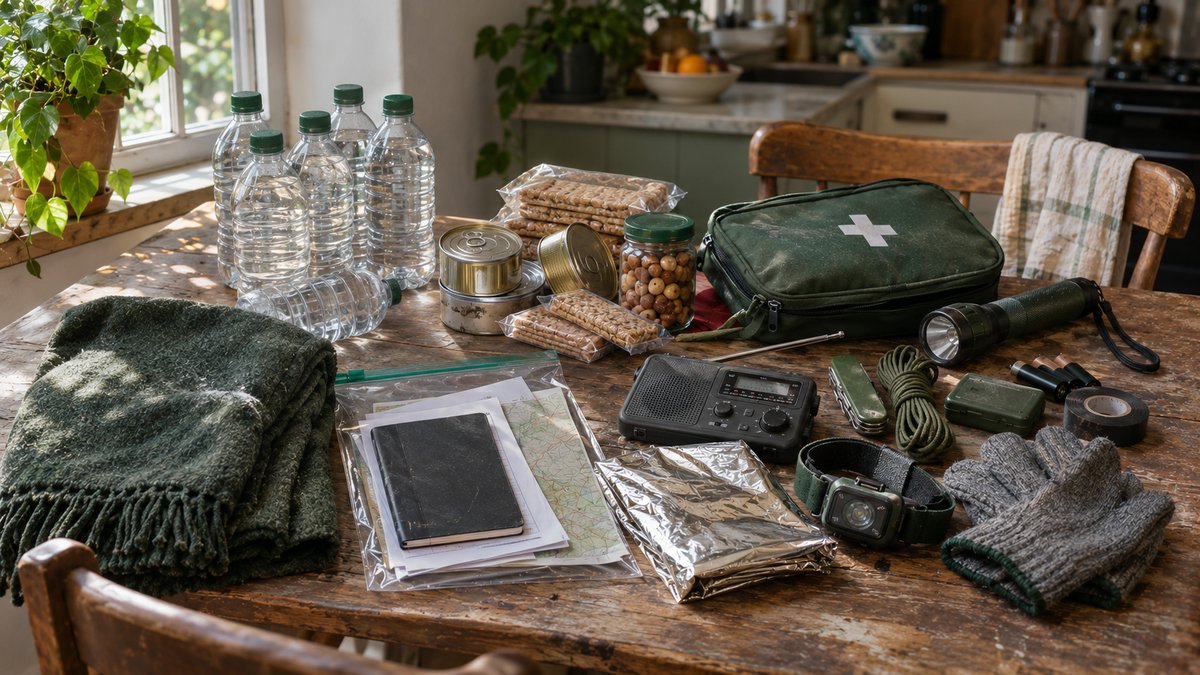
The first time I built a real emergency kit, I realized I’d spent years thinking I was prepared without actually being prepared. A water bottle in a cabinet, an old flashlight with dead batteries, and a few expired cans. That was my “emergency kit.” Not great.
FEMA recommends every household maintain a kit capable of surviving 72 hours independently. Seventy-two hours. Three days. That’s the minimum time you can’t count on outside help during a crisis: major storm, widespread power outage, flooding, supply disruption. Emergency services are overwhelmed, stores are closed, ATMs are down. You’re alone with what you prepared.
This guide is based on real testing, buying, and experimenting — not theory copied from another website.
Why 72 Hours and Not Less?
The answer comes from real crisis analysis. During Hurricane Sandy in 2012, some areas were cut off for 48–72 hours. During major power outages, full restoration took 2–4 days in the hardest-hit zones. During the 2021 Texas winter storm, families were isolated for 3+ days without resupply.
Seventy-two hours is the critical window. It’s the time authorities need to organize, deploy emergency services, and reopen access routes. After that threshold, in most modern US crises, some form of outside help arrives.
That doesn’t mean you should stop at 72 hours. Truly prepared people aim for one to two weeks. But 72 hours is the foundation — what you need before anything else.
Water — Why Everyone Gets This Wrong
Water is the first thing people neglect because they assume it’ll always be available. Turning on a tap feels so automatic that nobody imagines it stopping. But a contaminated network, a pump power failure, a broken pipe — and it’s over.
The basic math:
FEMA recommends 1 gallon of water per person per day. That covers drinking (about half a gallon) plus minimal hygiene and food preparation. For a family of 4 over 72 hours: minimum 12 gallons. Many people read this and think it’s excessive. It’s not. Try living three days on half that amount — it gets uncomfortable fast, especially if someone is sick or it’s hot.
How to store it:
Food-grade plastic containers in 5- or 7-gallon sizes are the most practical solution. Avoid translucent containers exposed to light — it encourages algae growth. Choose HDPE (high-density polyethylene) in opaque or blue coloring.
Commercial bottled water works well too. Watch the expiration date — not because the water truly “goes bad,” but because plastic can leach into water over time.
Alternatives:
- Water purification tablets (Aquatabs, Potable Aqua): make creek or rain water potable. Effective against bacteria and viruses, less so against parasites.
- Portable water filters (LifeStraw, Sawyer Squeeze): filter up to 100,000 gallons before wearing out. A LifeStraw costs about $20 and can save you if your reserves run out.
- Gravity filter (Berkey): more expensive ($250–$500), but can filter river water, rainwater, and contaminated tap water. A solid investment for long-term preparedness.
Practical reminder: Rotate your water reserves every 6 months. Write the date on containers with a permanent marker. Water stored more than a year in normal conditions remains technically drinkable, but taste degrades and contamination risk increases.
Food — Eating for 72 Hours Without Really Cooking
The question isn’t just what to eat, but how you’ll prepare it in a degraded situation. No gas? No electricity? Maybe no hot water? Your emergency food must account for these constraints.
The rules I follow:
- At least half the rations must be consumable without cooking or hot water
- No foods requiring refrigeration or freezing
- Choose foods your family already eats — no point stockpiling things nobody will eat under stress
- Adapt for special diets: allergies, diabetes, infants, elderly
Rations by category:
No preparation needed:
- Energy bars (Clif, Kind, Larabar) — 200–400 calories each
- Dried fruit and nuts: walnuts, almonds, trail mix — high calorie density, store well
- Pull-tab cans: tuna, sardines, chicken, peanut butter
- Fruit pouches (like GoGo Squeeze)
- Crackers, hardtack, granola
- Dark chocolate (70%+) — holds up better to heat than milk chocolate
With cold water only:
- Instant oatmeal packets
- Instant couscous (soaks in cold water in 15 minutes)
- Cold-water instant coffee or tea
With hot water (camp stove or alcohol stove):
- Freeze-dried meals (Mountain House, Backpacker’s Pantry, Good To-Go) — lightweight, excellent nutrition, better taste than you’d expect
- Freeze-dried soups
- Instant mashed potatoes
- Instant rice packets
How much to prepare?
An active adult under stress needs at least 2,000–2,500 calories per day. In a forced-inactivity situation (waiting it out at home), 1,800 calories is enough. For children under 10: 1,200–1,500 calories. For infants: double your formula and baby food reserves.
Often forgotten: Salt. If you’re cooking with stored water or freeze-dried food, you’ll need salt. And sugar. And a few basic condiments — it makes a huge difference to morale when you’ve been eating the same thing for two days.
Long shelf-life foods:
| Food | Approximate Shelf Life |
|---|---|
| White rice | 25–30 years sealed |
| Rolled oats | 30 years sealed |
| Honey | Indefinite if dry and sealed |
| Salt | Indefinite |
| White sugar | Indefinite sealed |
| Commercial freeze-dried | 25 years (quality brands) |
| Metal cans | 5–10 years (check seals) |
| Dried legumes | 25–30 years sealed |
Documents — One Envelope That Can Change Everything
In a sudden evacuation, you’ll have 5–10 minutes to leave. You won’t search through drawers for your insurance policy, your child’s birth certificate, or your medical records. If you haven’t gathered everything beforehand, you’ll leave without it.
What your waterproof envelope should contain:
Identity documents:
- Photocopies of driver’s licenses and passports for all family members
- Social Security cards (copies, not originals)
- Birth certificates (copies)
- Marriage certificate if applicable
Health:
- Insurance card copies (health, dental, vision)
- Prescriptions with generic drug names, not just brand names
- List of medication allergies
- Vaccination records for children
- Blood type for each family member
Administrative:
- Copy of property deed or lease
- Insurance policy numbers: home, auto, health
- Contact info: doctor, attorney, accountant
- Bank account numbers (numbers only — not PINs)
Practical:
- Written phone list (family, friends, doctor) — your phone may die
- Cash: minimum $200–300 in small bills. ATMs and card readers will be down.
- USB drive with scanned copies of original documents
How to store it:
A waterproof dry bag (SealLine, Sea to Summit) slipped into your kit. Check once a year that documents are current — IDs expire, prescriptions change, contacts evolve.
First Aid Kit
The basic drugstore first aid kit isn’t enough. I’m not talking about playing doctor — but being able to handle common situations for 72 hours while waiting for help: a bleeding wound, a sprain, a burn, an allergic reaction.
The essential base:
Bandages and dressings:
- Adhesive bandages in all sizes (including large knee/elbow sizes)
- Elastic bandages (2”, 3”, 4” widths)
- Sterile gauze pads 4”×4” (at least 10)
- Transparent film dressings (Tegaderm) for clean wound coverage
- Conforming stretch gauze
Disinfection:
- Alcohol wipes
- Antiseptic solution (Betadine or chlorhexidine)
- Sterile saline solution (wound cleaning, eye rinse)
Medications:
- Acetaminophen adult and children’s (pain and fever)
- Ibuprofen (anti-inflammatory)
- Antihistamine (Benadryl, Claritin) for allergies
- Anti-nausea medication (Dramamine, Pepto)
- Anti-diarrheal (Imodium)
- Eye drops for irritation
- Prescription medications for each family member — at least 7 days’ supply
Equipment:
- Thermometer (infrared forehead models are most practical)
- Blunt-tip scissors
- Tweezers
- Nitrile gloves (at least 5 pairs)
- Emergency mylar blanket (folds to pocket size)
- Surgical masks
- Tourniquet (CAT or SOFTT-W) if you’ve been trained
Don’t forget:
- A printed first aid guide. The Red Cross publishes concise reference cards. No need for a textbook — just the essential actions: recovery position, hemorrhage control, severe allergic reaction, burns.
Lighting and Communication — Staying Informed When Everything Is Cut
A power outage plunges you into darkness, but it also cuts information. No TV, no internet in most cases. That’s when you realize you need a radio.
Lighting:
- Headlamp: both hands free — essential. Choose an LED model with AA or AAA batteries (the most widely available). Petzl Tikka and Black Diamond Spot are proven performers.
- Powerful flashlight for outdoors
- LED lantern with diffuser — lights an entire room, much more practical than a flashlight for daily living. USB-rechargeable models with AAA batteries are the best compromise.
- Candles: impractical (fire hazard, smoke) but useful as a last resort. Never leave a candle burning unattended.
- Extra batteries for every device. Double what you think you need.
Communication:
NOAA Weather Radio remains the official information channel during US crises. Local NPR stations and emergency alert systems broadcast official information even when the internet is down.
- Battery-powered radio: essential. USB input is a plus.
- Hand-crank + solar radio: ideal for total self-sufficiency. The Midland ER310 and Eton FRX5-BT combine radio, flashlight, and phone charger.
- Portable solar charger: to recharge phones. A 20W panel charges a smartphone in 2–3 hours in good sun. Anker Solar and BioLite panels are reliable.
- Power bank: a 20,000mAh battery recharges a smartphone 5–6 times. Keep it charged to 80% permanently in your kit.
Family communication:
If you’re separated from family during a crisis, you need a communication plan established in advance. Designate an out-of-area contact (a relative in another state) as a central relay. Define a meeting point that the whole family knows. Teach your children to memorize a phone number.
Walkie-talkies (Motorola T800 series) allow local communication without a cell network for a few miles. Not essential, but useful if you have a network of prepared neighbors or friends.
Basic Survival Equipment
Beyond water, food, and health, there’s a set of tools that make the difference between a manageable situation and a difficult one.
Essential:
- Multi-tool (Leatherman Wave+, Victorinox SwissTool) — universal tool
- Fixed kitchen knife if you need to prepare food
- Manual can opener — forgotten in half of all kits
- Waterproof matches and lighter — at least two of each, stored separately
- Portable camp stove (MSR PocketRocket, Jetboil) with 2–3 spare fuel canisters — for boiling water and cooking quickly
- Stainless steel pot (1 quart for one person, 2–3 quarts for a family)
- Camp utensils: mug, spoon, fork in durable plastic per person
Useful:
- Duct tape: repair almost anything, seal gaps, secure items
- 10 feet of paracord (550 type) — multiple uses
- Work gloves: protect hands during debris clearing, handling broken objects
- N95 masks: dust, smoke, compromised air
- Whistle: audible signal hundreds of yards away — to signal your position if trapped
- Compass: if your GPS battery dies
- Paper road map of your region — GPS doesn’t work without battery
The case of pets:
Many families completely forget their animals in emergency planning. Prepare 3 days of food for each animal, a transport method (carrier, pet bag), veterinary documents, regular medications, and a sturdy leash.
How to Physically Organize Your Kit
The question isn’t just what goes in it — it’s also how you organize everything.
The system I recommend:
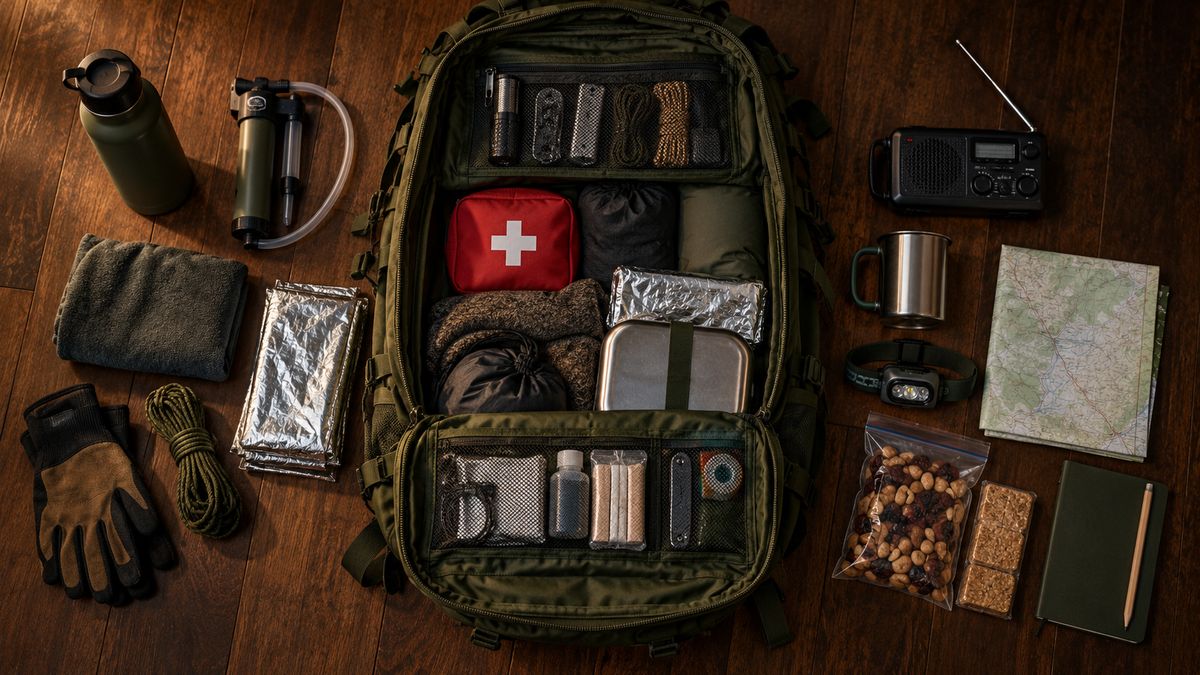
Level 1 — The Go Bag: a 30–40 liter backpack containing everything needed to survive 72 hours on the move. This is what you grab if you must evacuate in under 5 minutes. Weight: 25–40 lbs maximum.
Level 2 — Home reserves: a large waterproof storage bin (like Rubbermaid Roughneck 50-gallon) stored in an accessible closet. Contains extra water reserves, 2-week food supply, heavy equipment.
Level 3 — Vehicle kit: a smaller kit in your car trunk. Water, energy bars, basic first aid kit, emergency blanket, flashlight.
Choosing the bag:
A standard 35–45L hiking pack works perfectly. Choose a model with a rigid frame if you need to walk with it — long-term comfort matters. Osprey Stratos, Gregory Zulu, and Deuter Aircontact are quality references. For budget, the Decathlon Quechua at $60–80 works well.
Internal organization:
- Bottom layer: heavy equipment (canned food, water)
- Middle: clothing, emergency sleeping gear
- Top and quick access: first aid kit, flashlight, documents, phone and charger
- Outside pockets: knife, whistle, matches, energy bar, water bottle
Special Cases: Children, Elderly, People with Special Needs
A generic emergency kit doesn’t work for everyone. Always adapt.
For babies and infants:
- Powdered formula + bottle + cold sterilizer
- Baby food pouches in quantity
- Diapers and wipes: a box of 80 diapers for 3 days (estimate by age)
- Children’s medications: children’s acetaminophen, oral rehydration solution
- Appropriate thermometer
- Comfort item and familiar toy — parental stress transmits; familiar objects help
For elderly family members:
- Double medications with prescriptions
- Extra water — dehydration happens faster in older adults
- Stable flat shoes
- Spare glasses + contact lens solution if applicable
- Charged phone with emergency contacts configured
For people with disabilities:
- Batteries for hearing aids, electric wheelchair, etc.
- Specific evacuation plan anticipated in advance
- Prior contact with local emergency services to register your presence
Maintenance — The Kit That Doesn’t Degrade
The worst emergency kit is the one you prepared 3 years ago and never revisited. Dead batteries, expired food, outdated medications.
Maintenance schedule:
Every 6 months (Daylight Saving Time changes are good reminders):
- Test all lights and replace batteries if needed
- Check expiration dates on food and medications
- Replace stored water if it’s more than 6 months old
- Verify phone charger and power bank still work
Once a year:
- Full document review (ID expiration dates, new prescriptions)
- Update the written phone list
- Check vehicle kit condition
- Test all electronic equipment
- Consume and replace expiring food (rotation principle)
After any use or crisis situation:
- Immediately replenish used supplies
- Adjust kit if you identified gaps
Realistic Budget
A complete kit for a family of 4, done seriously, costs between $300–600. It’s a one-time investment that can be spread over time if needed.
Approximate breakdown:
| Category | Estimated Budget |
|---|---|
| Water + filtration | $50–80 |
| 72-hour food supply | $80–120 |
| Complete first aid kit | $60–100 |
| Lighting (lights + batteries) | $40–70 |
| Radio + solar charger | $50–100 |
| Misc equipment (stove, utensils, tools) | $60–100 |
| Backpack | $50–150 |
| Documents + waterproof pouch | $10–20 |
| Total | $400–740 |
You can get it down to $200–250 by choosing entry-level products and building gradually. The important thing is to start.
What the Kit Doesn’t Replace
A well-stocked kit is a good thing. But there are skills you can’t buy that make the real difference:
- First aid training — a CPR/First Aid certification course from the Red Cross takes one day and teaches you the essential skills. Many employers and community centers offer it free or low-cost.
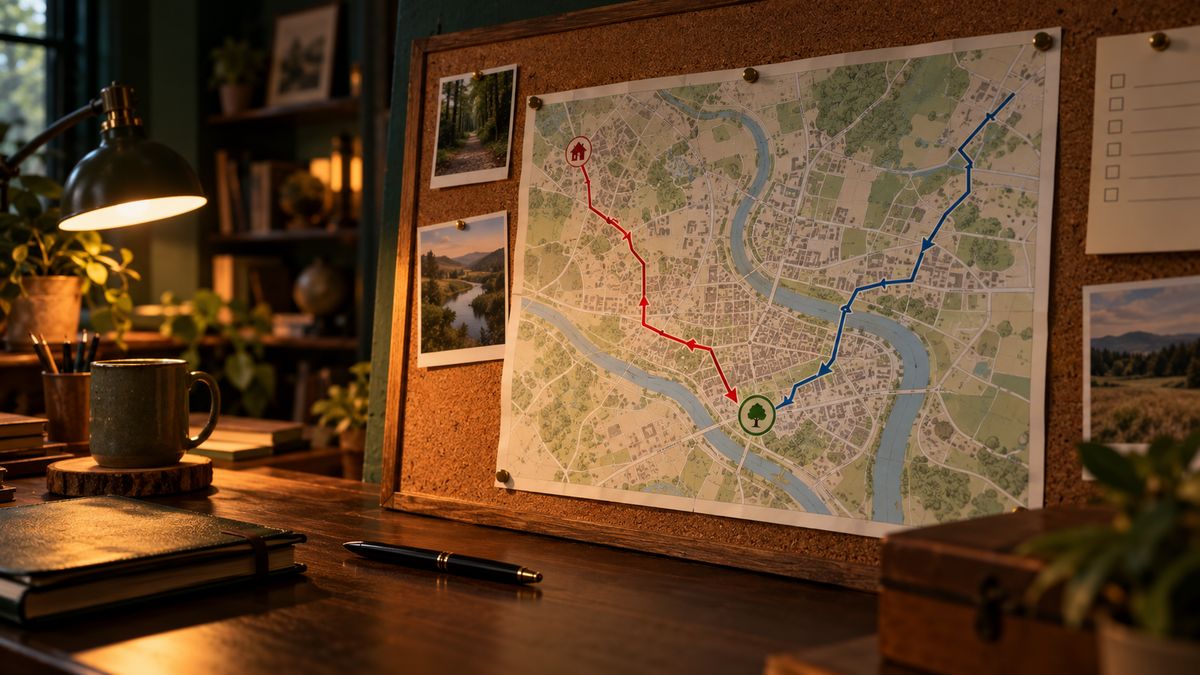
- Know your neighborhood — know where official evacuation points are, which neighbors might need help, what’s the route out of your area on foot if roads are blocked.
- Have a family plan — does your family know what to do if you’re not home during a crisis? Where to meet? Who to call? These questions deserve a family conversation before a crisis, not during one.
Frequently Asked Questions
What’s the difference between a 72-hour kit and a bug-out bag?
A 72-hour kit is designed for sheltering in place for 3 days — a power outage, a lockdown, a storm. It prioritizes comfort and duration (water, food, lighting, communication). A bug-out bag is designed to be carried on your back during an evacuation: lighter, more compact, mobility over comfort. Statistically, sheltering in place is more common than evacuation — the home 72-hour kit is more frequently useful.
Do I really need stored water if I have tap water?
Tap water can be cut off or contaminated during exactly the crises requiring an emergency kit: floods affecting infrastructure, power outages stopping pumps, source contamination. In the US, water disruptions happen every year. The 1-gallon-per-person-per-day recommendation is the safety minimum your 72-hour kit must cover.
Can I buy a pre-made kit instead of building my own?
Yes (ReadyAmerica, Sustain Supply, various Amazon kits). Pros: saves time. Cons: often 30–50% more expensive, generic content not matching your family profile, and some kits contain poor-quality products. If you buy a pre-made kit, treat it as a base and complete it with your specific needs.
Building an emergency kit takes half a day and a few hundred dollars. What it gives you is priceless: the certainty that if something happens — and something eventually always does — your family will be in the best position possible to get through it.
You don’t need to be paranoid. You just need to be ready. Those are not the same thing.
Related guides:
🎬 Watch the video on this topic

Watch on YouTube →
More in this category

Rejoindre la communauté
Recevoir nos guides chaque semaine
Des conseils pratiques, des retours terrain, les meilleures ressources — directement dans votre boîte mail.
Rejoindre le Refuge →