Emergency Lighting: The Best Solutions for Extended Power Outages
Headlamps, LED lanterns, candles, solar lighting — a complete comparison of lighting solutions to get through several days without electricity.
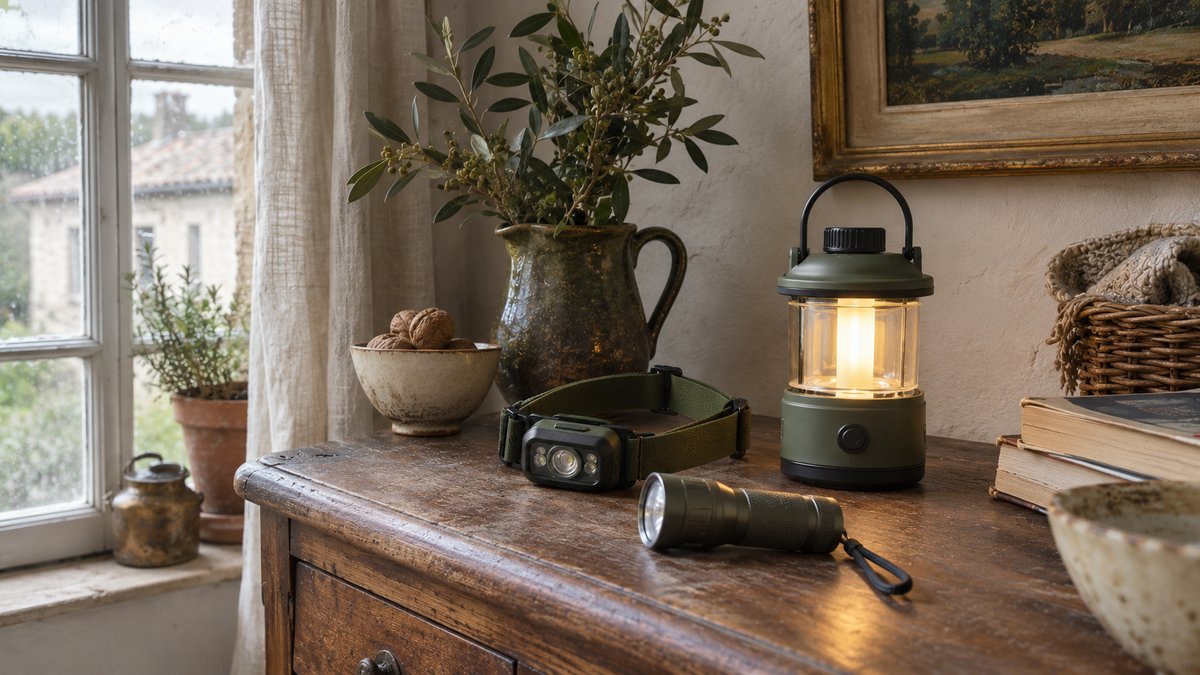
The first night of a power outage feels manageable. The second night, with no sense of when power returns, is when inadequate lighting starts affecting everything — sleep, meal preparation, children’s anxiety, your ability to read or do anything useful.
This guide covers every practical lighting solution, from the $15 headlamp that should be in every emergency kit to solar systems that make power outages barely noticeable.
Why Emergency Lighting Matters More Than You Think
Lighting does more than let you see. It affects mood, safety, and functionality in ways that become obvious only once you’re sitting in the dark:
- Safety: navigating stairs, handling fuel stoves, administering first aid — all require adequate light
- Communication: reading instructions, writing notes, using a printed map
- Morale: darkness amplifies anxiety, especially for children; warm light is psychologically stabilizing
- Sleep: the wrong light at the wrong time destroys your sleep schedule during an extended outage
A well-planned lighting setup costs $50–100 and handles a week-long outage comfortably.
Layer 1: Personal Lighting — Headlamps
Why headlamps first: Hands-free light is the most practical thing you can have. When you’re cooking in a dark kitchen, changing a baby’s diaper, or walking outside at night, a headlamp lets you do the task — not hold a flashlight while doing it.
What to look for:
- Brightness: 150–300 lumens is enough for most tasks; 400+ for outdoor use
- Battery type: AA or AAA (avoid proprietary batteries)
- Red mode: preserves night vision and doesn’t wake sleeping family members
- Weight: under 3 oz without batteries
- Runtime: 50+ hours on low mode
Top picks by price point:
Budget ($15–25): Black Diamond Spot Jr (kids), Petzl Tikka (basic adult). Reliable, simple, AA batteries.
Mid-range ($30–50): Black Diamond Spot 400, Petzl Actik Core. 400 lumens, red mode, good runtime. The Actik Core recharges via USB — excellent for solar charging setups.
High performance ($60–80): Petzl Swift RL (adaptive brightness), Black Diamond Icon 700. For serious use or if you’re doing outdoor work in darkness.
How many to own: One per family member. This isn’t optional — in a real outage with multiple people sharing one headlamp, you’ll immediately understand why.
Layer 2: Area Lighting — LED Lanterns
A headlamp lights where you’re looking. A lantern lights the room. For family living — eating dinner, playing cards, kids doing homework, adults reading — a lantern is what you actually need most.
Types of LED lanterns:
Battery-powered (most practical for emergencies):
The best form factor is a mid-size collapsible lantern. UCO Rhody ($20), Black Diamond Moji ($25), and Goal Zero Lighthouse Micro ($35) all pack small and provide excellent ambient light.
For a family with extended use, consider D-battery lanterns: the Vont Portable LED Camping Lantern runs 24+ hours on high, 100+ hours on low with 3 D batteries. At $20–25 and running on D batteries (which are cheap in bulk), this is excellent emergency value.
USB-rechargeable: LuminAID PackLite ($30–40) — inflatable, solar-chargeable, waterproof. Folds flat. 50-hour runtime on low. Great for the go bag and emergency kit.
Goal Zero Crush Light ($20) — solar-powered, collapses flat. Limited brightness but zero battery cost.
Propane lanterns (outdoor use only): Bright (equivalent to 100W bulb), but produce CO — dangerous indoors. For outdoor cooking areas or garage use only. Never use inside.
Candles are the last resort, not the first choice:
- Fire hazard, especially with children and pets
- Produce soot, smoke, and CO in enclosed spaces
- Short burn time per candle (5–8 hours for a standard votive)
- Use only as backup, never leave unattended
If using candles: use wide-based jar candles (less tipping risk), place only on non-flammable surfaces, keep away from curtains, and have a fire extinguisher accessible.
Layer 3: Tactical Lighting — Flashlights
For outdoor use, perimeter checks, or signaling, a powerful flashlight outperforms a lantern or headlamp.
What you need:
- 500+ lumens on high
- At least 150 lumens at a usable distance
- Durable construction (drop-resistant, water-resistant)
- AA or 18650 battery (avoid proprietary sizes)
Recommended:
Entry level ($20–30): Anker Bolder LC90, ThruNite Archer 2A V3. Solid AA flashlights with 500+ lumens.
Mid-range ($40–70): Fenix PD35, Olight M2R. 1000+ lumens, multiple modes, excellent durability.
Work-grade ($80–150): Streamlight ProTac or SureFire G2X. What law enforcement uses — built to function under real stress.
Tip: Keep one powerful flashlight per adult in your household. Keep one in the car at all times.
Layer 4: Long-Term Solar Lighting
If a power outage extends beyond a few days, or if you want true energy independence, solar lighting removes battery dependence entirely.
Solar path lights (repurposed as indoor lighting):
Standard outdoor solar path lights charge during the day and glow at night. At 5–10 lumens each, they’re not bright — but a cluster of 3–4 provides enough ambient light to navigate a room, and they cost $3–8 each. Leave them outdoors to charge during the day, bring them in at night.
Solar-powered lanterns:
LuminAID PackLite Max 2-in-1 ($40): 150 lumens, solar charge, USB charge, waterproof. The best all-around solar lantern for emergencies.
Goal Zero Lighthouse 400 ($80): 400 lumens on high, 400-hour runtime on low, solar + USB charging, hand crank. Overkill for most, but excellent for extended preparedness.
Portable solar panels + battery bank:
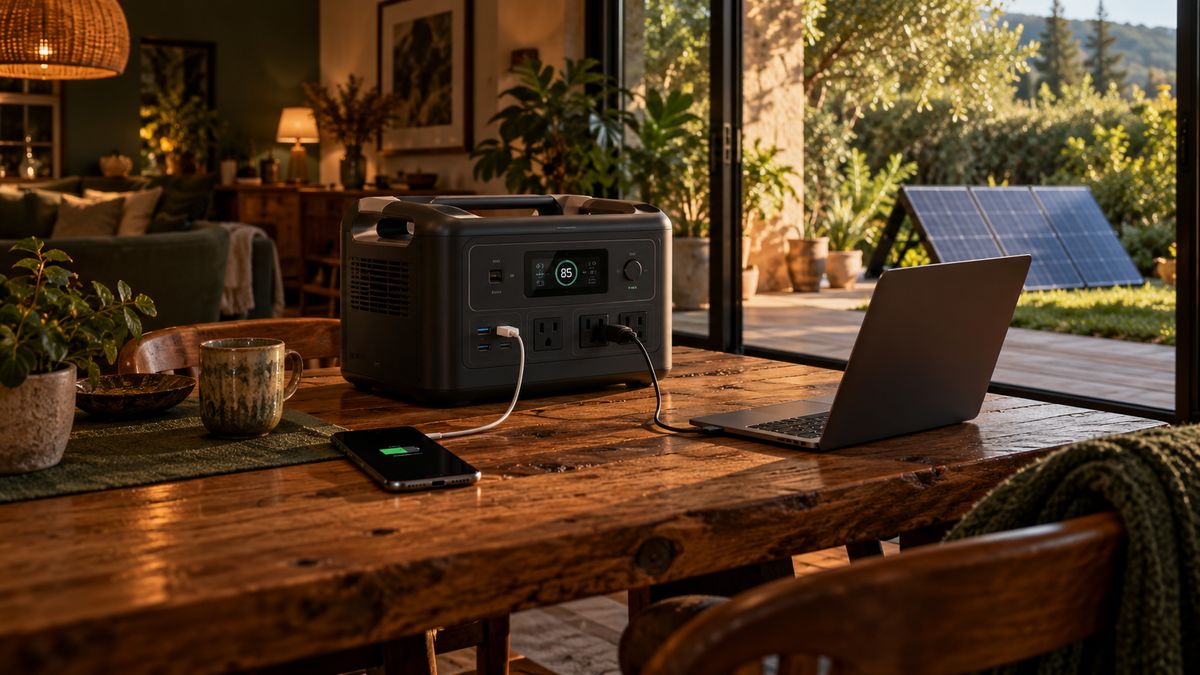
A 20–40W foldable solar panel (Anker, Jackery, Renogy) charging a 20,000mAh power bank can run LED lights continuously for days. The same system charges phones, radios, and medical devices. This is the backbone of a serious off-grid lighting setup.
Layer 5: Permanent Backup Lighting Solutions
For homeowners who want longer-term resilience:
Plug-in emergency lights ($15–30 each):
These look like night lights, plug into an outlet, charge automatically, and when the power goes out, they turn on automatically. Excellent for stairways, hallways, children’s rooms. Run 4–8 hours on their internal battery. Some have removable flashlight components.
Recommended: Westek Emergency Plug-In LED, Etekcity LED Emergency Light.
Whole-home backup lighting:
A generator (portable $500–1,500 or standby $3,000–10,000+) is the ultimate solution. Even a small 2,000W portable generator can run several LED light circuits and a refrigerator.
A whole-home battery backup (Tesla Powerwall, Enphase IQ, $8,000–15,000 installed with solar) makes outages invisible. A major investment — but for areas with frequent outages or extreme weather, it pays for itself in resilience.
Building Your Emergency Lighting Kit
Minimum viable kit (~$80):
- 1 headlamp per family member (Petzl Tikka, $20 each)
- 1 LED lantern for the home (UCO Rhody or similar, $20)
- 1 flashlight per adult (Anker Bolder LC90, $20)
- Spare batteries: 12 AA, 4 D cells ($15)
Well-prepared kit (~$150): Everything above, plus:
- 1 USB-rechargeable lantern (LuminAID, $35)
- 1 power bank 20,000mAh (Anker, $35)
- 1 plug-in emergency light per hallway/stairway ($15–30 each)
Serious preparedness (~$300+): Everything above, plus:
- Portable solar panel 20–40W ($60–120)
- Goal Zero or LuminAID solar lantern ($40–80)
- Additional spare batteries in sealed storage ($20)
Smart Lighting Habits During an Outage
Use low settings. Most lanterns provide more than enough light at 10–20% brightness for living. Save high settings for tasks that require them. This multiplies your battery life by 5–10x.
Centralize at night. Don’t light every room — gather the family in one space and light that well. It conserves batteries, maintains warmth, and keeps everyone together (which matters psychologically).
Let children keep their own light. A child with their own small headlamp feels in control rather than afraid. The $15 spent on a child’s headlamp is some of the best preparedness money you’ll spend.
Charge everything before the storm. When a storm warning is issued, immediately charge all rechargeable devices and power banks. Fully charged batteries are free power during the outage.
Mark your lighting. Put glow-in-the-dark tape on flashlight handles and lantern bases so you can find them in complete darkness. Keep them in the same place always.
Good emergency lighting is cheap, lasts for years, and makes a power outage a minor inconvenience rather than a frightening ordeal. The goal is a kit you’ve tested, trust, and can reach in the dark.
Related guides:
🎬 Watch the video on this topic
Watch on YouTube →
More in this category
Rejoindre la communauté
Recevoir nos guides chaque semaine
Des conseils pratiques, des retours terrain, les meilleures ressources — directement dans votre boîte mail.
Rejoindre le Refuge →