Winter Backup Heating: Which Heater to Choose and How to Use It Safely
Complete guide to backup heating for winter power outages — electric, propane, kerosene, and wood — with essential safety rules and realistic cost comparisons.
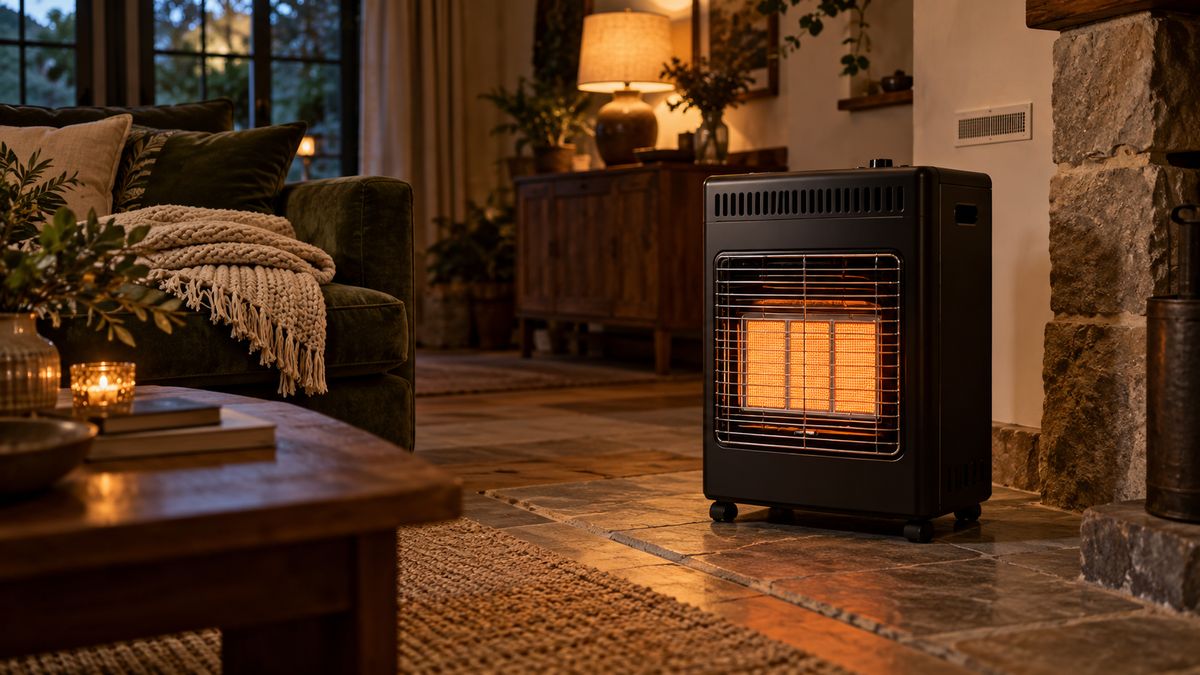
A power outage in winter is one of the most dangerous household emergencies, particularly for families with young children, elderly members, or anyone with medical needs. The right backup heating solution keeps your family safe; the wrong one creates a CO poisoning or fire risk that’s worse than the cold itself.
Understanding the Risks First
Before choosing a backup heater, understand why this matters:
Carbon monoxide (CO) is the invisible killer in home heating emergencies. CO is colorless and odorless — you can’t detect it without a monitor. Sources: any combustion appliance (propane, kerosene, natural gas, gasoline generators) used without adequate ventilation. Symptoms: headache, dizziness, nausea, confusion. By the time you feel sick, you may be too impaired to get out.
Fire — backup heating accounts for a disproportionate share of home fires, mostly from improperly used or placed portable heaters.
Non-negotiable safety rules:
- Install working CO detectors on every level of your home — replace them every 5–7 years
- Never burn anything (propane, kerosene, wood) in a sealed space
- Never use a gas range, oven, or outdoor grill for heating
- Never use a generator indoors, in a garage, or near windows or vents
- Keep a 3-foot clearance around any portable heater
Option 1: Electric Space Heaters (Easiest and Safest)
Best for: Short outages in well-insulated homes; supplemental heat in a single room.
Types:
Oil-filled radiators — The safest electric option. Heat oil inside a sealed metal reservoir, which then radiates heat slowly. No exposed heating element. Surface temperature stays below ignition point for most materials. Quiet, effective, good for overnight use. 750–1500W. Best for bedrooms.
Ceramic fan heaters — Heat up instantly, move warm air around the room. Faster but less efficient than oil-filled for sustained heat. Some models shut off automatically if tipped. 1500W typical.
Infrared panel heaters — Heat objects and people directly rather than air. Efficient for occupied rooms; heat disappears quickly when turned off.
Reality check on electric: An electric heater is useless in a power outage unless you have a generator or battery backup (see below). It’s excellent as a supplemental heat source to reduce your main system’s load, but not a true power-outage backup unless paired with electrical storage.
Recommended brands: Vornado, Lasko, De’Longhi (oil-filled), Dr. Infrared, Dyson.
Option 2: Propane Heaters (Best Power-Outage Option for Most Families)
Best for: Power outages; primary backup for most American households.
Ventless propane heaters (like Mr. Heater Big Buddy, 18,000 BTU) are specifically designed for indoor temporary use. They include:
- Oxygen depletion sensor (ODS) that shuts the unit off if oxygen drops
- Tip-over shutoff
- High-temperature shutoff
This doesn’t mean they’re 100% safe without ventilation — they still produce CO and consume oxygen. Rule: crack a window 1 inch whenever running a ventless propane heater indoors.
Vented propane heaters (direct-vent units mounted to a wall) are safer for extended use because combustion gases exhaust directly outside. More expensive to install but much safer.
For a family staying warm in a 1–2 room space: A 10,000–18,000 BTU ventless propane heater is a practical solution. Keep 4–6 20-lb tanks on hand.
Cost: Mr. Heater Big Buddy ~$150, 20-lb tanks ~$20–25 to refill.
Option 3: Kerosene Heaters
Best for: Garages, workshops, temporary/transitional spaces. Less ideal for living spaces.
Kerosene heaters put out serious BTUs (10,000–23,000) and are independent of electricity. Downsides: kerosene fumes are unpleasant even when burning cleanly; kerosene must be stored properly (goes bad, absorbs water); they require more maintenance. They’re workhorses for workshops but most families find propane more convenient.
If you use one: only K-1 kerosene (available at gas stations), never fuel oil, diesel, or gasoline. Store kerosene in a blue container (convention: blue = kerosene, red = gasoline, yellow = diesel).
Option 4: Wood Stoves and Fireplaces
Best for: Long-term resilience; homes in cold climates; rural properties.
A properly installed wood stove with a clean chimney is arguably the most resilient backup heating system available. It runs on a fuel you can stockpile indefinitely (dry firewood), is completely grid-independent, and can heat a significant portion of a house. It also heats water if you have a kettle.
Investment: A quality wood stove costs $1,000–3,000 installed (EPA-certified models required in most states). Annual chimney cleaning is essential — creosote buildup is a fire risk.
Cordwood storage: A full cord of hardwood (oak, maple, ash) produces the most heat per cubic foot. Softwood (pine, fir) burns faster and produces more creosote. Properly seasoned wood (1–2 years drying) burns significantly cleaner and hotter than green wood.
For apartments/condos: Not an option. Focus on propane heaters and insulation.
Option 5: Passive Strategies (Always Useful)
No matter what active heating you have, these strategies reduce how much heat you need:
Shelter-in-place room: Choose one room to heat rather than the whole house. Interior rooms on upper floors retain heat best. Close off unused rooms with towels under doors.
Insulation quick-fixes: Thermal curtains on windows dramatically reduce heat loss. Window insulation film (applied with a hair dryer) adds an effective second pane. Door draft stoppers cost $5–10 and make a noticeable difference.
Layering for warmth: Each person generates about 100W of heat. A family of 4 is 400W of continuous heat generation. Proper layering (moisture-wicking base layer, insulating mid-layer, wind-blocking outer layer) can keep an adult comfortable to surprisingly low temperatures. Wool and synthetic insulation retain warmth when wet; cotton does not.
Sleeping warm: A good sleeping bag rated to 20°F + an emergency blanket + a sleeping partner = you can sleep comfortably in a very cold room. Children and elderly family members are more vulnerable — they need more insulation and monitoring.
Sizing Your Backup Heat: BTU Rules of Thumb
| Space Size | Propane BTUs Needed | Electric Equivalent |
|---|---|---|
| 150 sq ft (bedroom) | 5,000–8,000 BTU | 1,500W |
| 400 sq ft (open area) | 10,000–15,000 BTU | 3,000–5,000W |
| 1,000 sq ft | 25,000–35,000 BTU | Not practical |
For most families: heat one or two rooms rather than the whole house. A 10,000–18,000 BTU propane heater can keep a 400–600 sq ft space comfortable in most winter conditions.
The Minimum Winter Preparedness Kit
For any household in a region that experiences winter power outages:
- Ventless propane heater (10,000–18,000 BTU) — $80–150
- 4× 20-lb propane tanks, full — ~$80–100
- Working CO detector on each floor — $20–50 each (replace every 5–7 years)
- Working smoke detector on each floor — $15–25 each
- 2× emergency blankets — $5–10
- Warm sleeping bags rated to 20°F or lower — varies
- Extra wool blankets — $30–80
Total investment: ~$300–500. This covers a 3–5 day winter power outage for most families.
Related guides:
More in this category

Rejoindre la communauté
Recevoir nos guides chaque semaine
Des conseils pratiques, des retours terrain, les meilleures ressources — directement dans votre boîte mail.
Rejoindre le Refuge →