Emergency Garden: Producing Food Quickly in a Crisis
The fastest and most productive crops for an emergency garden — in ground, raised beds, or containers on a balcony, even with no prior gardening experience.
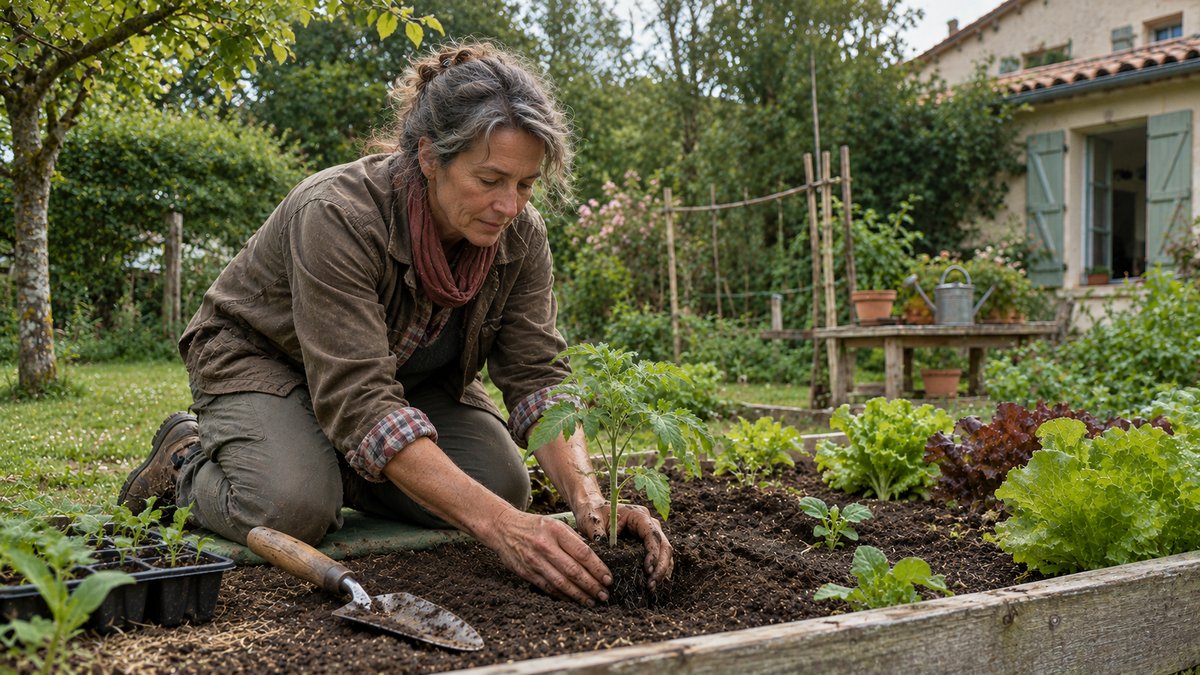
An emergency garden isn’t a long-term self-sufficiency plan. It’s the fastest possible path from seed (or transplant) to food on the table — prioritizing crops that produce quickly, heavily, and reliably, even in containers or small spaces.
This guide focuses on what actually produces food fast, not what looks good in a garden magazine.
The Reality of Food Production Speed
Understanding timelines is essential for emergency gardening:
| Crop | Days to First Harvest | Space Required | Calorie Yield |
|---|---|---|---|
| Radishes | 25–30 days | Very small | Very low |
| Microgreens | 7–14 days | Minimal | Low |
| Salad mix/lettuce | 30–45 days | Small | Very low |
| Spinach | 40–50 days | Small | Low |
| Peas (fresh) | 60–70 days | Small-medium | Medium |
| Bush beans | 50–65 days (fresh) | Medium | Medium |
| Summer squash/zucchini | 50–60 days | Large | Medium |
| Tomatoes (transplant) | 60–90 days | Medium-large | Medium |
| Sweet corn | 70–90 days | Large | High |
| Potatoes | 70–120 days | Medium | High |
| Winter squash | 80–100 days | Very large | High |
| Dried beans | 90–110 days | Medium | High |
Key insight: Fast-producing crops (radishes, lettuce, microgreens) contribute negligible calories. High-calorie crops (potatoes, dried beans, winter squash, corn) take 2–4 months and require significant space. A realistic emergency garden supplements nutrition and morale — it doesn’t replace grocery shopping in the short term.
Tier 1: Fastest Production (Under 60 Days)
Microgreens (7–14 Days)
Densely seeded shallow trays of seedlings harvested when 1–3 inches tall. Nutritionally dense (often 4–40x the nutrients of mature leaves per gram), fast, and producible in any indoor space.
What to grow: Sunflower, pea shoots, radish, broccoli, kale, amaranth.
How to grow: Fill shallow trays 1–2 inches deep with potting mix or coco coir. Scatter seeds densely. Water from below by setting trays in water. Harvest with scissors when sprouts reach 1–3 inches. No special equipment needed.
Caloric contribution: Minimal — a supplement, not a staple. But nutritionally valuable and extremely fast.
Radishes (25–30 Days)
One of the only crops that fits in the timeframe of a true emergency. French Breakfast, Cherry Belle, and Daikon varieties produce quickly. Direct sow ½ inch deep, 1 inch apart, in any decent soil. Thin to 2 inches when sprouts appear.
Limitation: One radish = almost no calories. Grow for variety and nutrition, not sustenance.
Salad Greens / Lettuce (30–45 Days)
Direct sow mesclun/salad mix seed (a blend of multiple greens) thickly in rows or scattered across a bed. Thin by eating — the “thinnings” are your first harvest. Butter lettuce, arugula, spinach, and mâche all work.
Cut-and-come-again: Harvest outer leaves only and plants regrow. One sowing produces multiple harvests over 2–3 months.
Tier 2: Productive Staples (60–90 Days)
Zucchini / Summer Squash (50–65 Days)
One of the highest-yield crops per square foot for the time invested. A single healthy zucchini plant produces 6–10+ lbs of fruit per season. The plants are large (needs 4–6 sq ft each) but productive from first harvest until frost.
Container growing: Use a 10–15 gallon container minimum per plant. Water heavily — squash wilts dramatically in heat but recovers with water. Direct sow or transplant.
Warning: Zucchini produces abundantly — more than a small family can eat fresh. Plan to freeze, pickle, or dehydrate the surplus.
Bush Beans (50–65 Days Fresh, 85–100 Days Dry)
Easy, productive, nitrogen-fixing (improves your soil). Direct sow 1 inch deep, 4 inches apart. No staking required (bush varieties). Harvest when pods are firm and before seeds swell for fresh eating.
For dried beans (calorie-dense storage): let pods fully dry and yellow on the plant, shell, and dry further before storage.
Varieties: Provider, Blue Lake, Dragon Tongue, Rattlesnake (pole, needs trellis but higher yield per sq ft).
Tomatoes (60–80 Days from Transplant)
More forgiving than reputation suggests, and no other garden crop produces as much flavor and variety for the space. The key is using transplants (not direct-seeded in most climates) and providing support.
Container growing: A 5-gallon pot minimum per plant, 7–10 gallons is better. Cherry tomatoes (Sungold, Sweet Million, Black Cherry) produce reliably in smaller containers; larger varieties need more root space.
Determinate vs. indeterminate: Determinate (“bush”) varieties set all fruit at once — useful if you want to process a large batch. Indeterminate varieties produce continuously until frost — useful for ongoing fresh eating.
Tier 3: Caloric Staples (80–120 Days)
Potatoes (70–90 Days for New Potatoes, 110–120 Days for Full Crop)
Potatoes are the highest-calorie crop per square foot of any common vegetable. One pound of seed potatoes planted correctly can yield 10–15 lbs of food. Calorie-dense, filling, stores well.
Method: Cut seed potatoes (or use small whole ones) so each piece has 1–2 eyes. Let cuts dry 1–2 days. Plant 4 inches deep, 12 inches apart. As plants grow, mound soil around stems (“hilling”) — this is where potatoes form.
Container growing: “Potato bags” or 15–25 gallon containers work well. Fill 1/3 with soil, plant, and add soil as plants grow. Dump the bag to harvest.
Harvest: New potatoes (smaller, tender) start when plants flower. Full harvest after vines die back naturally.
Winter Squash (85–110 Days)
Butternut, acorn, delicata, pumpkin — all calorie-dense, store for months without refrigeration, and produce substantial quantities per plant.
Requirement: These plants are large and sprawling. Each plant needs 25–50 sq ft of horizontal space or strong vertical trellis support (for smaller varieties like delicata). Not suited for small plots.
Storage: Cure in a warm, dry place for 2 weeks after harvest. Then store in a cool (50–60°F), dry location — most varieties keep 2–6 months.
Dried Beans (85–110 Days)
The highest-calorie, highest-protein staple you can grow. 100 sq ft of intensively grown beans can produce 10–20 lbs of dried beans — 15,000–30,000 calories. Stores for years.
Varieties: Jacob’s Cattle, Calypso, Black Turtle, Rattlesnake (pole), Vermont Cranberry.
Process: Let pods fully dry on the vine (or pull vines before frost and hang to dry inside). Shell by hand or by putting dry pods in a bag and stepping on them. Winnow by pouring between containers in a breeze.
Growing Without Soil: Containers and Raised Beds
If you have no yard, here are your options:
Containers: Use food-safe containers (5-gallon buckets from hardware stores work well). Drill drainage holes. Use a quality potting mix (not garden soil — it compacts in containers). Water more frequently than in-ground gardens. Best crops: tomatoes, peppers, herbs, lettuce, kale, bush beans.
Raised beds: 4×8 feet is the standard size (you can reach the center from either side). Fill with a 60/30/10 mix of topsoil/compost/perlite or purchase premixed raised bed soil. Far more productive per sq ft than in-ground gardens in poor soil.
Window boxes and balcony planters: Best for lettuce, herbs, and radishes. Tomatoes need larger containers but can work. Limited production but adds meaningful freshness and nutrition.
Essential Seed Collection for Emergency Preparedness
A “seed vault” for home use:
| Crop | Variety | Why |
|---|---|---|
| Zucchini | Black Beauty | Fastest heavy producer |
| Bush beans | Provider | Reliable, productive, disease-resistant |
| Tomato | Mortgage Lifter | Large, productive heirloom |
| Cherry tomato | Sungold | Sweet, prolific, great in containers |
| Lettuce | Loose-Leaf Mix | Cut-and-come-again, continuous harvest |
| Kale | Lacinato/Dinosaur | Very hardy, nutritious, continuous harvest |
| Spinach | Space | Heat-tolerant compared to other spinach |
| Winter squash | Waltham Butternut | Productive, stores well, good flavor |
| Pole beans | Rattlesnake | High yield, good fresh and dried |
| Potatoes | Fingerling mix | Store well, versatile |
| Radish | French Breakfast | Fastest harvest, satisfying to grow |
Store seeds in a cool, dark, dry location. Most seeds keep 2–5 years if stored properly; some (tomatoes, squash) last even longer. Rotate stock and test germination annually by placing 10 seeds on a damp paper towel — if 7+ germinate in a week, the seeds are still viable.
Related guides:
More in this category

Rejoindre la communauté
Recevoir nos guides chaque semaine
Des conseils pratiques, des retours terrain, les meilleures ressources — directement dans votre boîte mail.
Rejoindre le Refuge →